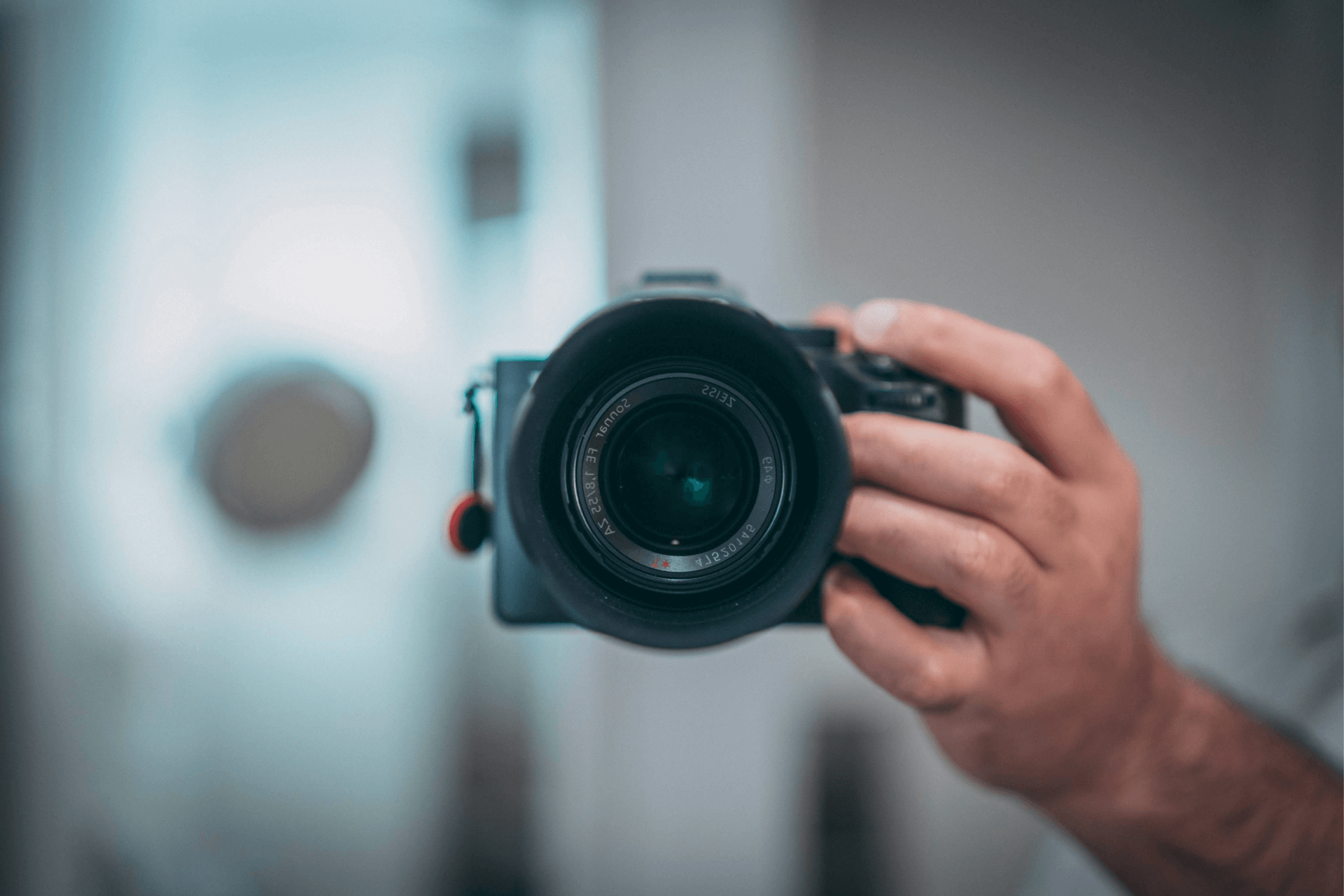
Whether you’ve already bought a mirrorless system or you’re just thinking about investing in your first mirrorless camera, knowing which lenses to buy is crucial to getting the most out of your money and your camera.
Mirrorless cameras have expanded the possibilities when it comes to lenses, but with so many types of lenses available, it’s easy to overspend and wind up with a huge collection of lenses that don’t really work for you. Building a collection of lenses that are the right fit for your style of photography can take time, but knowing the options can speed up the process.
Lens Basics For Mirrorless Cameras
Before diving into the specific recommendations, let’s take a look at the fundamental differences between prime and zoom lenses.
Prime lenses have a fixed focal length, which means you can’t zoom in or out. This might seem limiting at first, but primes usually offer superior image quality, wider maximum apertures, and lighter construction, so they’re a valuable addition to your kit. Prime lenses force you to think about your composition more thoughtfully, and many photographers find it enhances their creative process as a result.
Zoom lenses, on the other hand, provide flexibility with variable focal lengths, so you can reframe your shot without changing position. This versatility makes them indispensable for situations where you can’t move closer or farther from your subject as easily.
When evaluating lenses for your mirrorless system, several specifications deserve attention. The first is focal length, which determines how much of the scene you can capture. This ranges from ultra-wide lenses that capture vast landscapes to super-telephoto lenses that bring distant subjects into crisp detail.
Aperture, expressed as f-numbers like f/1.4 or f/2.8, controls how much light enters the lens, which directly affects your depth of field. Wider apertures (smaller f-numbers) allow for beautiful background blur and better low-light performance.
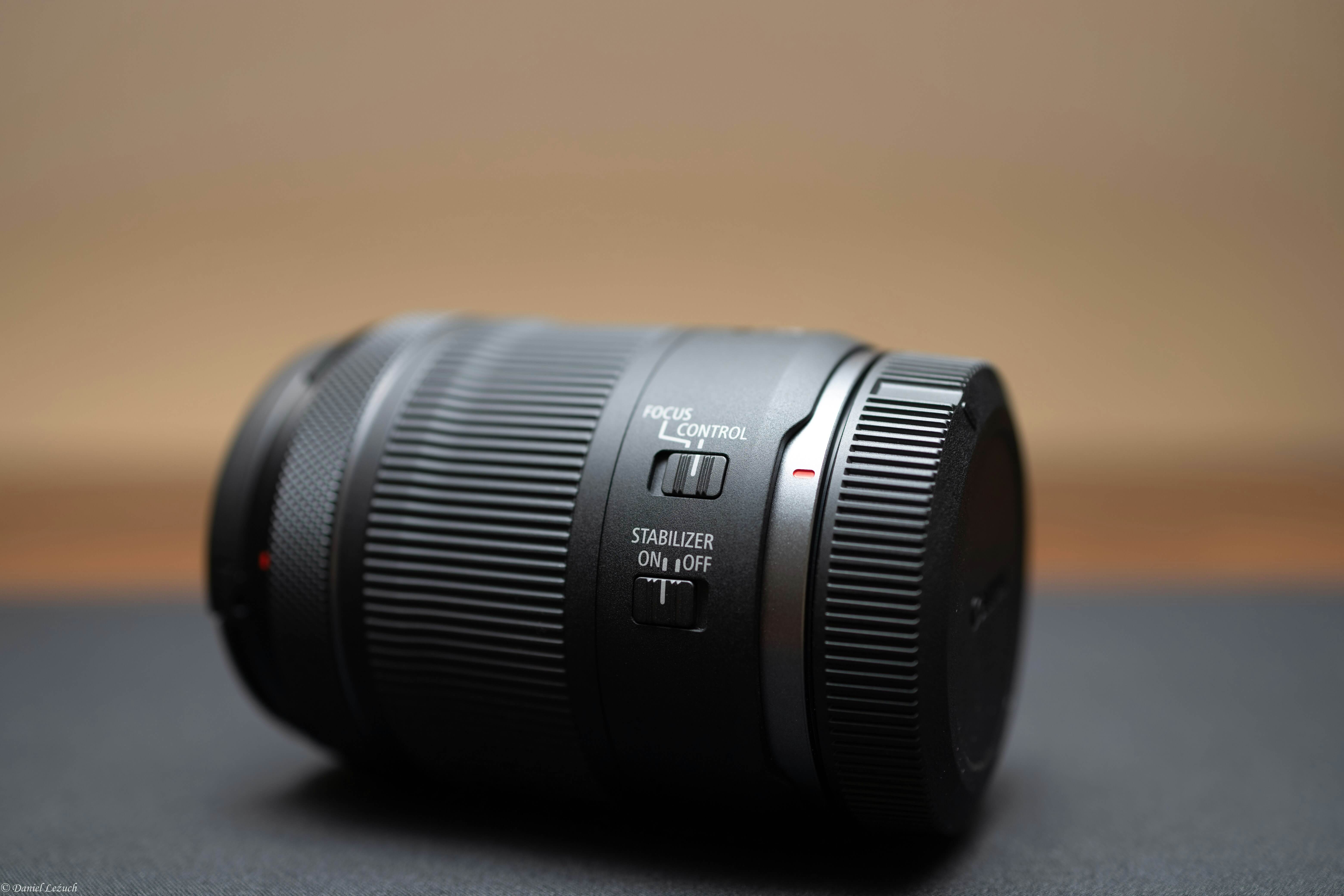
Image stabilization has become increasingly sophisticated in mirrorless cameras, and many systems now offer in-body stabilization. This is designed to work in tandem with lens-based stabilization to achieve remarkable steadiness and sharper images.
Finally, mount compatibility is essential. Each manufacturer uses specific lens mounts, and while adapters exist, native lenses tend to deliver the best autofocus performance and full feature integration with your camera body.
Buying photography equipment can be expensive, so if you’re expanding your lens kit or starting from scratch, buying used can help your budget go further. Used mirrorless cameras and their lenses let you build a fantastic kit from leading manufacturers like Sony, Nikon, and Canon at a fraction of the cost. It also gives you a chance to experiment with different lenses without the financial commitment that could potentially leave you with a lens that might not be the right fit for your style.
Lenses For The Greatest Variety
Zoom Lens
The standard zoom lens, typically covering the 24-70mm range in full-frame equivalents, serves as the workhorse for countless photographers. The versatile focal range mirrors how the human eye perceives the world, so it’s incredibly intuitive for composition.
Whether you're capturing candid moments of your family, documenting travel adventures, or working with businesses for commercial shoots, a quality-standard zoom delivers consistent results across diverse situations. For photographers just beginning to build their lens collection, a reliable standard zoom lens is the perfect foundation for creative shots.

Wide-Angle Lens
Wide-angle lenses offer an entirely different perspective, especially when you’re shooting landscape, architectural, or interior shots. These lenses, typically ranging from 14mm to 35mm, allow you to convey grandeur and spatial relationships that standard lenses can’t achieve.
If you’re photographing architecture, for example, wide-angle lenses let you capture the entire building facade, even in a confined urban environment. Interior photographers often rely on them to showcase room layouts in a single frame — essential for real estate and hospitality work.
However, it’s worth remembering that wide-angle lenses require the right technique, so you may need to experiment to achieve the results you want. Distortion, especially at the edges of the frame, can make straight lines appear curved or stretched, so be careful to keep your camera level and position important elements away from the edges of the frame to minimize this effect.
Prime Lenses For Portrait Photography
If you’re a portrait photographer, prime lenses are a must. Ideally, you want to invest in 35mm, 50mm, and 85mm focal lengths. Each of these lenses offers its own advantages, giving you the most variety in applications.
A 35mm lens captures more context in a shot—it includes the surroundings while maintaining an intimate connection with your subject. These lenses are great for documentary-style portrait photography and storytelling.
The 50mm lens delivers a perspective similar to how we naturally see the world, making it perfect for full-body and waist-up portraits that give you plenty of versatile composition options.
Lastly, the 85mm reigns supreme for headshots and close-up portraits. It delivers flattering compression that beautifully renders facial features while creating sufficient working distance between you and your subject. All three focal lengths, especially when paired with wide apertures like f/1.4 or f/1.8, produce gorgeous bokeh—the smooth background blur that isolates your subject and adds professional polish to portraits.

Telephoto Lens
Telephoto zoom lenses broaden your creative reach. They quite literally bring distant subjects closer. These lenses, spanning 70-200mm, 100-400mm, or even 150-600mm, prove invaluable for wildlife photography, sports shots, or any situation where you can’t physically approach your subject.
The mirrorless advantage really shines in this category. Without the mirror box of DSLRs, manufacturers can design more compact and lightweight lenses without sacrificing optical performance. A 70-200mm f/2.8 lens that might have been cumbersome on a DSLR becomes surprisingly manageable on a mirrorless body.
Telephoto lenses also offer compositional benefits through compression, which appears to stack distant elements and minimizes the perceived distance between the foreground and background. This can be used to create striking images of wildlife in their habitats, athletes frozen in action, or distant architectural details isolated from their surroundings.
Macro Lens
Macro lenses can be used to unlock those details that would otherwise go unnoticed. True macro lenses achieve 1:1 magnification or more, meaning the subject appears practically life-size on your camera's sensor.
This transforms minute subjects like flower stamens, jewelry details, or intricate product designs into frame-filling compositions that showcase textures, patterns, and colors with incredible clarity. But they’re more versatile than many people think. They also double as excellent portrait lenses, with tack-sharp optics and pleasing bokeh rendering, making them firm favorites for beauty and commercial projects.
Matching Lenses To Popular Mirrorless Systems
The camera you have will determine which lenses are best for your system.
Sony
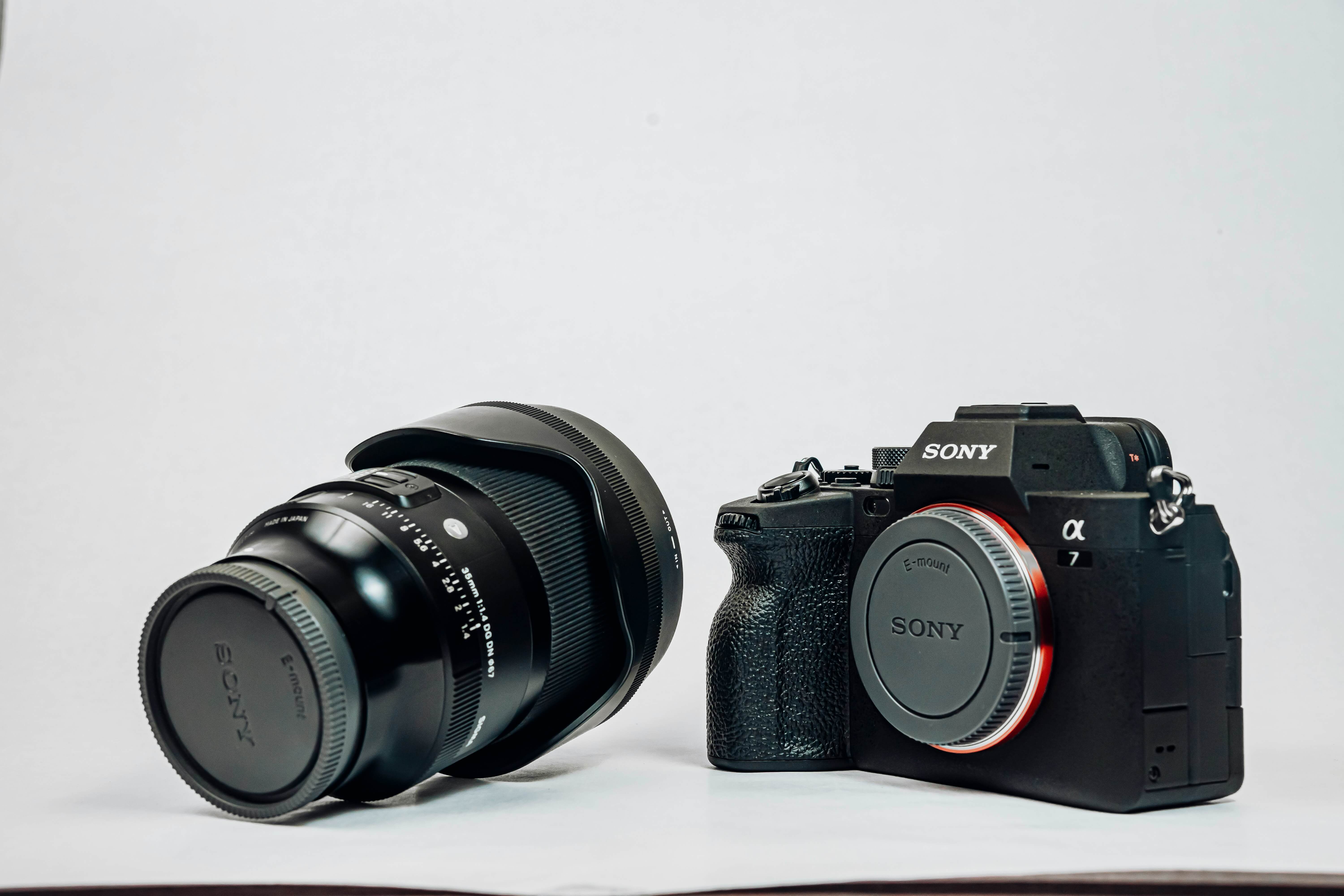
Sony users have access to one of the most extensive lens libraries on the mirrorless market, from the full-frame E-mount to the compact APS-C system. The Sony FE 24-70mm f/2.8 GM II delivers exceptional sharpness and autofocus performance across the entire range. For portraiture, however, the FE 85mm f/1.4 GM is a go-to choice, producing stunning bokeh and extraordinary detail that portrait photographers strive for.
Canon
For Canon models, the RF mount includes innovative features like control rings on many lenses and groundbreaking optical designs that are not possible with the EF DSLR mount. The RF 24-70mm f/2.8L IS USM offers the standard zoom versatility with added image stabilization, while the RF 50mm f/1.2L USM pushes optical boundaries with extraordinary sharpness.
Canon also offers more affordable RF options if you’re just starting out, such as their compact "kit" zooms and budget primes. The RF mount's wider diameter and shorter flange distance make it possible to achieve sharper corners, less vignetting, and improved performance across the board.
Nikon
Nikon's Z-mount system now offers an impressive range of native lenses that make the most of the mount's optical features. The Nikkor Z 24-70mm f/2.8 S, for example, provides versatile focal lengths with minimal distortion, while the Z 50mm f/1.8 S proves that even affordable primes can deliver professional results.
If you already have existing F-mount DSLR lenses, the Nikon FTZ adapter provides seamless compatibility with minimal compromise on performance, so you can gradually transition to the Z system without having to give up all your existing lenses.
Fujifilm
Fujifilm's X-mount APS-C system has built its own following of creatives who appreciate its compact size and exceptional image quality. The XF lens lineup features compact, weather-sealed designs, while the XF 16-55mm f/2.8 R LM WR serves as the system's standard zoom equivalent.
For primes, the XF 35mm f/1.4 R and XF 56mm f/1.2 R provide distinctive rendering that complements Fujifilm's celebrated film simulations.
Sigma
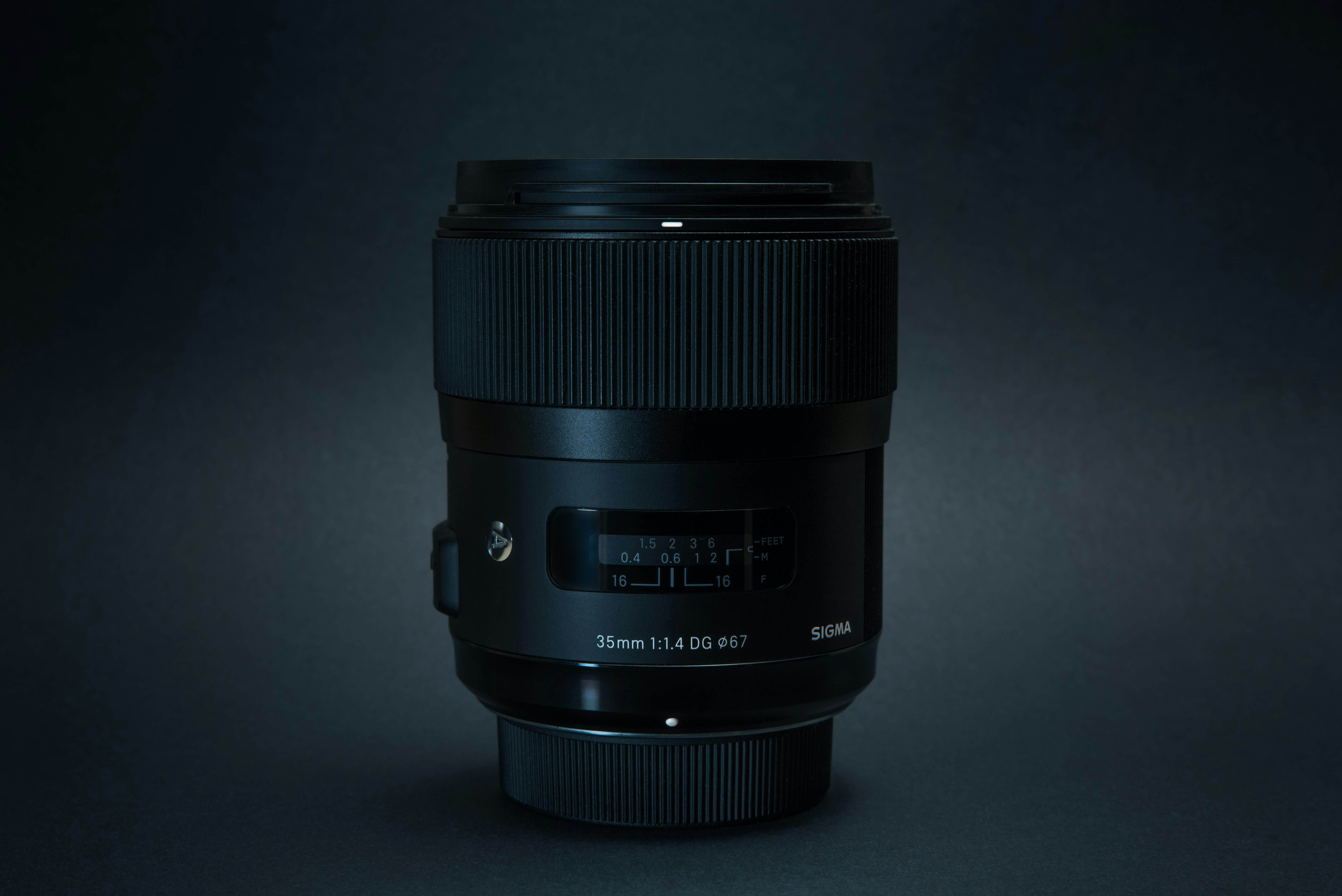
Last but not least, Sigma makes a wide variety of lenses for mirrorless cameras.
For the Sony E-mount, Sigma has a wide selection of full-frame and APS-C lenses designed specifically for these cameras.
For L-Mount, as a partner in the L-Mount Alliance, Sigma produces many lenses that are natively compatible with the full-frame mirrorless systems from Leica, Panasonic, and itself.
For Canon RF Mount, Sigma has released lenses which can specifically be used natively on these Canon mirrorless cameras.
Sigma lenses marked with "DG DN" are designed to work with mirrorless cameras, optimized for their specific mounts.
Sigma also offers a range of lenses for other mirrorless cameras, such as those from Fujifilm.
In Conclusion
Lenses are undoubtedly one of the most significant elements of your photographic kit – perhaps, even more so than the camera itself. Think about your style and match your gear choices to your actual photographic practice—the best lens collection is one you thoroughly understand, regularly use, and that faithfully serves your unique photographic voice.
About The Author
Catalina Aldridge is a freelance writer and keen photographer, bringing a creative eye to storytelling both in words and images. You can follow more of her work on her website and X.
Introducing PMM PRO
The only membership you need to grow your photography
Special Summer Deal... Our Biggest Sale For Photography Masterclass Magazine PRO
+ all the expertise you need in one place
+ step by step video lessons & comprehensive tutorials
+ curated photography for endless inspiration
+ Save 30% for life!
+ Unlock all magazine back issues (125+)
+ Access 3 premium guidebooks